 If you’ve ever admired a coloring page or drawing that looked beautifully realistic, chances are it wasn’t just about the colors; it was about the shading. Shading is what transforms flat areas into forms with light, depth, and dimension.
Whether you’re coloring for fun or working on detailed art pieces, learning how to shade with colored pencils like a pro can elevate your artwork instantly.
Table of Contents
Start with the Right Tools
Not all colored pencils are created equal. For smooth blending and even coverage, invest in high-quality brands like Prismacolor, Faber-Castell Polychromos, or Derwent Coloursoft.
These pencils contain rich, blendable pigments that respond beautifully to layering and pressure control.
And always keep your pencils sharp. Precision is key when shading fine details.

This set of 72 premium colored pencils are perfect for coloring books. They feature highly saturated pigments, robust leads, and an ultra-smooth laydown to resist cracking and chipping.
Understand Light and Shadow
Before shading, visualize your light source. Ask yourself: Where is the light coming from?
The side closest to the light will be lighter, while the opposite side should gradually transition into darker tones.
To create this effect:
- Use light pressure for the illuminated areas.
- Increase pressure as you move toward the shadow.
- Blend the mid-tones to create a smooth transition.
- Use a colorless blender pencil or soft tissue to smooth out rough edges.

This Goldfaber Color Pencil tin features 48 vibrant colors in a metal tin. These wood-cased color pencils feature a highly pigmented 3.3 mm lead that is smudge-proof and water-resistant.
Layering Is Everything
Professional shading comes from layering, not pressing harder. Start with a light base layer, then gradually build up color intensity.
Layering multiple hues (like blue over purple or yellow under orange) creates natural gradients and depth that mimic light in real life.
For example, when shading a red apple:
- Begin with a soft base of red.
- Add darker reds or browns to the shadowed areas.
- Blend orange or yellow near the highlights to warm it up.
- Leave a small white spot for the reflected light; that’s your shine.

With a round 4mm soft core, the pencils smoothly glide over a variety of drawing surfaces. Produce vibrant colors with the quick and easy application. Includes a range of 24 colors.
Try Different Shading Techniques
- Circular shading: Creates smooth, even coverage.
- Crosshatching: Adds texture or a directional light effect.
- Burnishing: Apply heavy pressure with a light-colored or white pencil to seal and smooth layers.
- Scumbling: Use small, irregular circles for soft blending; great for skin or skies.
Each technique adds character to your artwork. The key is practice and patience.
Final Tips for Pro Results
- Always test your colors before applying them to your main piece.
- Work slowly, building depth layer by layer.
- Use complementary colors for natural shadows (like purple under yellow).
- Avoid over-blending. A little texture gives your art personality.
With time and practice, you’ll discover that shading isn’t just about technique; it’s about seeing light differently.
Once you master that, your coloring pages and drawings will come alive with vibrant, realistic beauty.
So grab your favorite set of pencils, find your light source, and start shading like a pro!

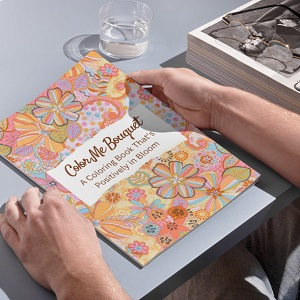
Perfect for artists of all ages, this coloring book brings you into a peaceful garden filled with roses, daisies, peonies, sunflowers, and more—each waiting for your unique touch.